
Construction Home Loans for First-Time Buyers
Building a home is a big step. Our construction home loans are designed to support you at every stage of this exciting journey.
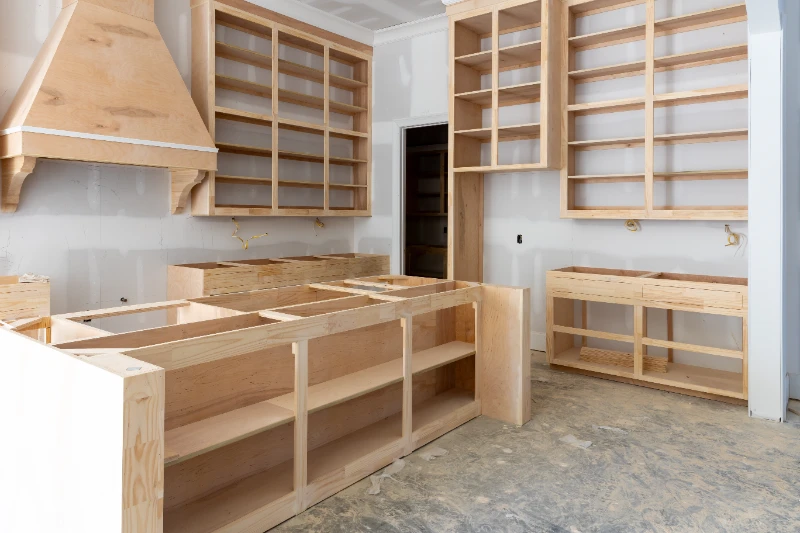
Understanding Construction Home Loan Basics
A Construction Home Loan provides financing for the land, labor, materials, and other approved costs involved in building a residential property. At Garden City Mortgage a DBA of EMM Loans, LLC, we help you understand how construction financing differs from a standard mortgage and what documentation the process requires.
Funds are generally released through scheduled draws as work is completed rather than paid to the builder all at once. Depending on the Construction Home program, the financing may convert to a permanent mortgage after completion or require separate long-term financing.
Key Takeaways
- Purpose: Construction financing pays approved project expenses while a new home is being built.
- Draw process: The lender releases funds in stages after reviewing completed work and required inspections.
- Project review: Detailed plans, specifications, permits, a budget, and a qualified builder are generally required.
- Borrower review: Credit, income, assets, debts, and available funds are evaluated alongside the construction project.
- Payment structure: Payments during construction are often based on the amount disbursed, although program terms vary.
- Long-term financing: A construction-to-permanent structure may transition into a regular mortgage after the home is complete.
Construction Home Loan FAQ
Construction Home loans involve both mortgage underwriting and a detailed review of the proposed building project. These answers cover the questions we commonly hear from borrowers before plans are submitted.
- What is a construction-to-permanent loan? It combines the construction phase and permanent mortgage within one coordinated loan structure. The conversion requirements, rate treatment, and closing process depend on the program.
- Who may qualify for construction financing? Borrowers with documented income, acceptable credit, sufficient assets, and a feasible building plan may qualify. The lender must also approve the builder, budget, property, and completed value.
- How long does the construction loan process take? Underwriting often takes longer than a standard purchase because plans, contracts, permits, builder credentials, and appraisal details must be reviewed. Construction itself commonly takes several months, with the permitted term established before closing.
- Can I use land that I already own? Yes, eligible land equity may sometimes count toward your required contribution. Existing liens, acquisition date, land value, and program rules affect how that equity is calculated.
- Do I need a licensed general contractor? Most construction programs require an experienced, properly insured builder who meets lender standards. Owner-builder arrangements are less widely available and generally receive additional scrutiny.
- Is a large down payment always required? Not always, but construction financing often requires more cash or equity than a standard mortgage. Eligible military borrowers may also want to review a VA Home Loan, although construction availability and builder requirements can be more limited.
- Can a construction loan finance a major renovation? New construction financing and renovation financing follow different guidelines. For an existing property, a rehab loan may be more appropriate.
- What happens if building costs exceed the budget? Cost overruns are usually the borrower’s responsibility unless approved contingency funds are available. Changes should be documented and discussed before work proceeds.
How Construction Home Loans Work
A Construction Home mortgage moves from project review to closing, staged funding, inspections, and final completion. Staying communicative with the builder and loan team can make this detailed process easier to manage.
- Review your financial profile: We begin by discussing income, credit, assets, debts, land ownership, and your target budget. This initial review helps identify whether construction financing or another program may be worth exploring.
- Choose the property and builder: You select the land and an eligible contractor, then provide the builder’s license, insurance, experience, and financial information as requested. The construction contract should clearly identify pricing, responsibilities, and the proposed timeline.
- Submit plans and specifications: The lender reviews architectural plans, material specifications, permits, and a line-item cost breakdown. A realistic budget should include site work, utility connections, allowances, and an appropriate contingency.
- Order the appraisal and complete underwriting: An appraiser estimates the property’s completed value using the plans and specifications. Underwriting then reviews both your ability to repay and whether the proposed project supports the requested Construction Home Loan.
- Close and begin scheduled draws: After closing and satisfaction of required conditions, the builder requests funds at established construction milestones. Inspections confirm completed work before eligible funds are released, and lien documentation may also be required.
- Complete the home and transition financing: Final inspections, occupancy documentation, title updates, and any remaining lender conditions must be completed. A construction-to-permanent loan may then convert to regular principal-and-interest payments, while a construction-only loan generally needs separate payoff financing.
Is Construction Financing Right for You?
A Construction Home Loan may be a good fit when you want to build a primary home and can manage a documentation-heavy process. It often works well for first-time homebuyers with a clear budget, military families planning a relocation, and experienced buyers seeking a property that existing inventory does not provide. In our experience, organized borrowers who finalize selections early have fewer allowance changes and draw delays.
Alternatives deserve consideration if your plans are incomplete, your builder is not yet selected, or your available funds leave little room for overruns. An existing home financed through an FHA Home Loan may offer a simpler path for some buyers, while investment clients can review investment property loans and Non-QM programs. Construction financing is also less suitable when you need a predictable move-in date because weather, permits, materials, and inspections can affect the schedule.
Construction Home Loan Costs and Fees
Construction financing costs depend on the project, borrower profile, loan structure, builder, and current market conditions. Your required down payment or equity contribution may often range from approximately 10% to 20% or more, but land equity and program guidelines can change the calculation.
Costs may include an appraisal based on completed plans, title services, lender charges, inspections, draw administration, surveys, permits, builder’s risk insurance, and standard closing expenses. Construction rates may be higher than traditional permanent mortgage rates because funds are advanced before the completed collateral exists.
For example, on a $500,000 total land-and-construction project with a 20% required contribution, the base financing would be approximately $400,000 before any eligible financed costs. If five draws are scheduled, interest is generally calculated only on funds already disbursed, subject to the note and program terms.
| Feature | Construction Financing | Standard Purchase Mortgage |
|---|---|---|
| Funding | Released through approved draws | Disbursed primarily at closing |
| Property condition | Home is not yet complete | Home is generally complete |
| Typical contribution | Often 10%–20% or more | May allow lower down payment choices |
| Payments | Often based on disbursed funds during construction | Regular principal and interest generally begin after closing |
| Timeline | Includes underwriting, building, draws, and inspections | Primarily follows the purchase closing timeline |
Construction Loan Mistakes to Avoid
The most common construction loan problems begin with incomplete budgets, unsupported changes, or poor communication. A caring, experienced team can explain the process, but you and your builder still need to keep records current.
- Underestimating site costs: Clearing, grading, utility connections, drainage, soil work, and access can materially affect the budget. Obtain detailed estimates before finalizing the contract.
- Changing plans after the appraisal: Adding a room or upgrading materials after approval may require revised plans, a budget review, and possibly a new appraisal. Work completed without prior approval may not be eligible for reimbursement.
- Using cash before documenting the expense: For example, paying a subcontractor $15,000 before the corresponding draw inspection can create problems if invoices, lien waivers, or proof of payment are missing. Confirm draw procedures before making out-of-pocket construction payments.
- Choosing a builder based only on price: The lender may review licensing, insurance, experience, references, and financial capacity. A low bid does not help if the contractor cannot satisfy approval requirements or maintain the schedule.
- Making new credit commitments: Financing appliances, vehicles, or furniture before completion can change your debt-to-income ratio and available reserves. What we typically see is that borrowers have an easier final review when they discuss major financial changes with us first.
- Ignoring the completion deadline: Extensions may involve additional documentation, costs, and approval. Build reasonable time into the schedule for weather, inspections, materials, and change orders.
Where This Program Is Available
Our construction financing is available to eligible borrowers and properties in NC, OH, SC, TX, and VA. Program availability, builder standards, property requirements, loan limits, and construction procedures may vary by state and county as of 2026. Not every construction structure is offered for every occupancy type, and investment projects may require specialized financing. We encourage you to review our state and city pages for market-specific guidance, then speak with us about the property, builder, budget, and timeline you are considering.
Ready to Discuss Your Construction Plans?
We are here to make a complex construction process feel more understandable, communicative, and carefully organized. Through relationships with BNI chapters, our church community, and UNCW athletics and organizations, we value the personal connections that help us understand each borrower’s goals.
Get started with Garden City Mortgage a DBA of EMM Loans, LLC (NMLS #2926) today. You can Get Started to share your plans, available funds, builder information, and expected timeline with our team.
This is educational content and not financial advice. Loan programs and guidelines can change. Talk with a licensed mortgage professional about your specific scenario.