
USDA Loan Program
Buying a home with little or no down payment can provide opportunities for buyers that otherwise may not be able to become homeowners.
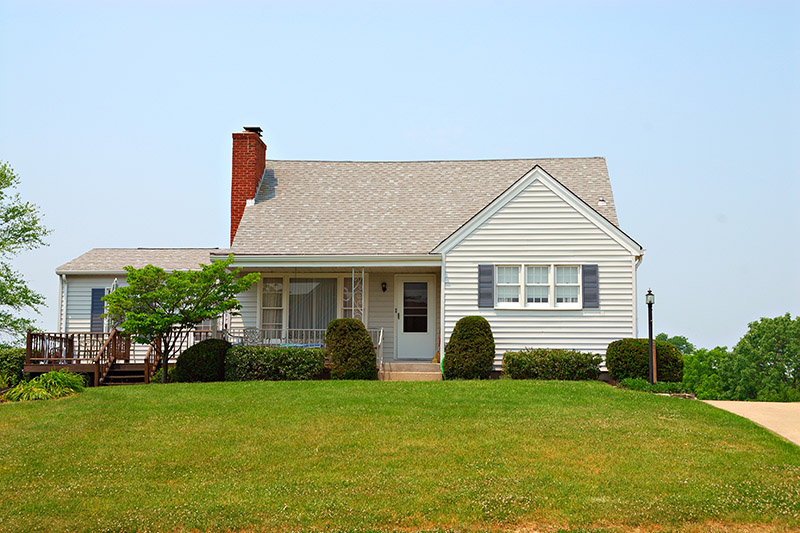
Understanding USDA Loan Basics
A USDA Loan is a government-backed mortgage that may allow an eligible borrower to purchase a qualifying primary residence with no down payment. At Garden City Mortgage a DBA of EMM Loans, LLC, we help buyers understand how USDA loans work, whether a property is eligible, and how household income affects the application.
The USDA program is designed to support homeownership in eligible rural and suburban areas. It is not limited to farms, agricultural workers, or first-time homebuyers.
Key Takeaways
- Down payment: USDA purchase loans may provide 100% financing for eligible borrowers and properties.
- Property use: The home generally must be your primary residence rather than a vacation home or investment property.
- Location rules: USDA eligibility is determined by the property address, and eligible areas can include communities outside traditional rural settings.
- Income limits: Adjusted household income must remain within current limits, which vary by household size and location.
- Loan structure: The USDA Guaranteed Loan Program generally uses a 30-year fixed-rate mortgage.
- Program fees: USDA financing includes an upfront guarantee fee and an annual fee based on current program guidelines.
Common Questions About USDA Loans
USDA mortgage eligibility depends on the borrower, the entire household, and the property being purchased. These answers cover the questions we typically discuss before a buyer makes an offer.
- What is a USDA Loan? It is a mortgage backed by the U.S. Department of Agriculture and issued through an approved private lender. The guarantee helps lenders offer financing without requiring a traditional down payment from eligible borrowers.
- Who can use the USDA program? Qualified first-time and repeat buyers may apply, provided they intend to occupy the property as a primary residence and meet credit, income, and repayment requirements.
- How is property eligibility determined? The exact address is checked against the USDA eligibility map. An area that appears suburban may still qualify, so we recommend verifying the address rather than relying on assumptions.
- Can I use a USDA mortgage for an investment property? No, USDA purchase financing is intended for an owner-occupied primary residence. Investors may want to review our DSCR home loan program instead.
- Do I need excellent credit? Not necessarily, although credit history still matters. The lender reviews your score, housing history, debts, reserves, and overall ability to repay the mortgage.
- Is mortgage insurance required? USDA loans do not use conventional private mortgage insurance, but they have an upfront guarantee fee and an annual fee. The amounts are established under current USDA guidelines as of 2026.
- How long does the USDA loan process take? A purchase often takes approximately 30 to 45 days, but timing depends on the appraisal, underwriting, USDA review requirements, and transaction details. We communicate throughout the process so you know which items remain outstanding.
- Can military buyers choose USDA financing? Yes, if they meet USDA requirements, although eligible service members and veterans should also compare a VA home loan, which has different eligibility and occupancy rules.
How USDA Loans Work
A USDA Loan moves through borrower qualification, address verification, property review, lender underwriting, and applicable USDA review. Completing the early checks before making an offer can make the experience easier and reduce avoidable surprises.
- Discuss your homebuying plans: We begin with your expected purchase range, employment, income, debts, assets, and occupancy plans. This initial conversation helps us determine whether USDA financing may be appropriate or whether another program deserves consideration.
- Review household income: USDA applies both repayment-income and household-income rules. We review income earned by adult household members because some income may count toward the program limit even when that person is not a borrower on the loan.
- Verify the property area: The home must be located within a currently eligible USDA area. We can check a specific address, but eligibility should be confirmed again during the transaction because maps and program guidance can change.
- Complete the loan application: You provide documentation such as pay statements, tax forms, bank statements, identification, and housing history. We also review credit and calculate qualifying ratios under applicable lender and USDA guidelines.
- Order the appraisal and property review: The appraisal supports the value and examines whether the home meets USDA property standards. Safety, structural, access, utility, and condition concerns may need to be addressed before closing.
- Finish underwriting and USDA review: An underwriter evaluates the full file and may request clarification or updated documents. Depending on the loan delivery process and current requirements, the file may also need review through USDA systems before final loan documents are prepared.
- Review disclosures and close: Before closing, you receive a Closing Disclosure showing the loan terms, fees, credits, and cash needed. After required conditions are satisfied and documents are signed, the transaction can be completed according to the closing schedule.
Is a USDA Mortgage Right for You?
USDA financing may be a good fit for a buyer who needs a low-down-payment path to a primary residence in an eligible area. It often works well for households with stable income, manageable debts, and limited funds for a down payment. First-time buyers can also compare our first-time homebuyer resources while learning how cash reserves, seller credits, and closing costs affect the plan.
Borrowers above USDA household-income limits, buyers seeking an investment property, or people purchasing outside an eligible area should consider alternatives. An FHA home loan may offer greater location flexibility, while non-QM financing may be worth exploring for self-employed or investment clients with nontraditional documentation. In our experience, conversations through BNI Chapters, our church community, and UNCW Athletics and Organizations often begin with zero-down financing but lead to a careful comparison of several programs.
USDA Loan Costs, Fees, and Timing
A USDA Loan can remove the down payment requirement, but buyers should still prepare for closing costs, prepaid expenses, and program fees. Typical expenses may include the appraisal, title services, lender charges, homeowners insurance, taxes, recording fees, and prepaid interest. Seller credits may help with allowable costs when permitted by the contract, appraisal, and program rules.
For example, on a $300,000 purchase with 0% down, closing costs and prepaid expenses might often total approximately $6,000 to $15,000, depending on taxes, insurance, credits, and settlement charges. The upfront USDA guarantee fee may generally be financed, while the annual fee is commonly collected through the monthly payment; current fee amounts should be confirmed as of 2026.
| Feature | USDA Loan | Common Alternative |
|---|---|---|
| Minimum down payment | Potentially 0% for eligible transactions | FHA commonly begins at 3.5% |
| Property location | Must meet USDA area eligibility | FHA has no USDA geographic map |
| Occupancy | Primary residence | Varies by program |
| Ongoing fee | USDA annual fee | FHA mortgage insurance or conventional PMI may apply |
| Typical timeline | Often about 30–45 days | Varies by appraisal and underwriting |
Rates should be compared using the interest rate, annual percentage rate, total fees, and expected time in the home. What we typically see is that a small rate difference matters less than borrowers expect when one option requires significantly more cash at closing.
Common USDA Loan Mistakes to Avoid
The most common USDA mortgage problems involve household income, property eligibility, condition issues, and undocumented financial changes. A communicative review before and during the transaction can help identify these concerns early.
- Checking only the borrower’s income: USDA household-income calculations may include income from a non-borrowing adult who will live in the home. For example, a spouse may not be on the loan, but that spouse’s earnings can still affect whether the household remains under the current income limit.
- Assuming an address is eligible: Postal labels and the appearance of a neighborhood do not control USDA eligibility. Always check the exact property address using current program data before relying on zero-down financing.
- Ignoring property-condition concerns: Missing flooring, unsafe wiring, roof problems, or an inoperable heating system may create appraisal conditions. A home that needs substantial rehabilitation may require a different financing strategy.
- Spending all available savings: Zero down does not mean zero cash needed. Buyers may still need funds for inspections, earnest money, closing costs, prepaid items, or expenses that are not covered by seller credits.
- Opening debt before closing: Financing furniture, changing vehicles, or increasing credit-card balances can alter your debt-to-income ratio. We recommend discussing any new credit or employment change with us before taking action.
- Treating the property as an investment: USDA requires primary-residence occupancy. Buyers planning to rent the home immediately or purchase primarily for income should explore an investment or non-QM program instead.
Where This Program Is Available
We offer USDA financing to eligible borrowers purchasing qualifying properties in NC, OH, SC, TX, and VA. Property eligibility, household-income limits, appraisal considerations, and available state assistance can vary by state and county. Because USDA maps and annual program guidance may change, we verify current details for the specific address and household rather than relying on general assumptions. You can also review our state and city pages for market-specific guidance, property considerations, and information about working with a licensed mortgage professional in your area.
Ready to Explore a USDA Loan?
We are here to make the USDA loan process feel clear, caring, and easy to follow. Back in 2023, our business began with a vision to make a meaningful impact in the coastal community, and we have since served hundreds of families across the Carolinas while caring deeply about every client and referral partner.
Get started with Garden City Mortgage a DBA of EMM Loans, LLC (NMLS #2926) today. If you are considering USDA financing in NC, OH, SC, TX, or VA, Get Started and let us review your property, household income, and available loan choices with you.
This is educational content and not financial advice. Loan programs and guidelines can change. Talk with a licensed mortgage professional about your specific scenario.